


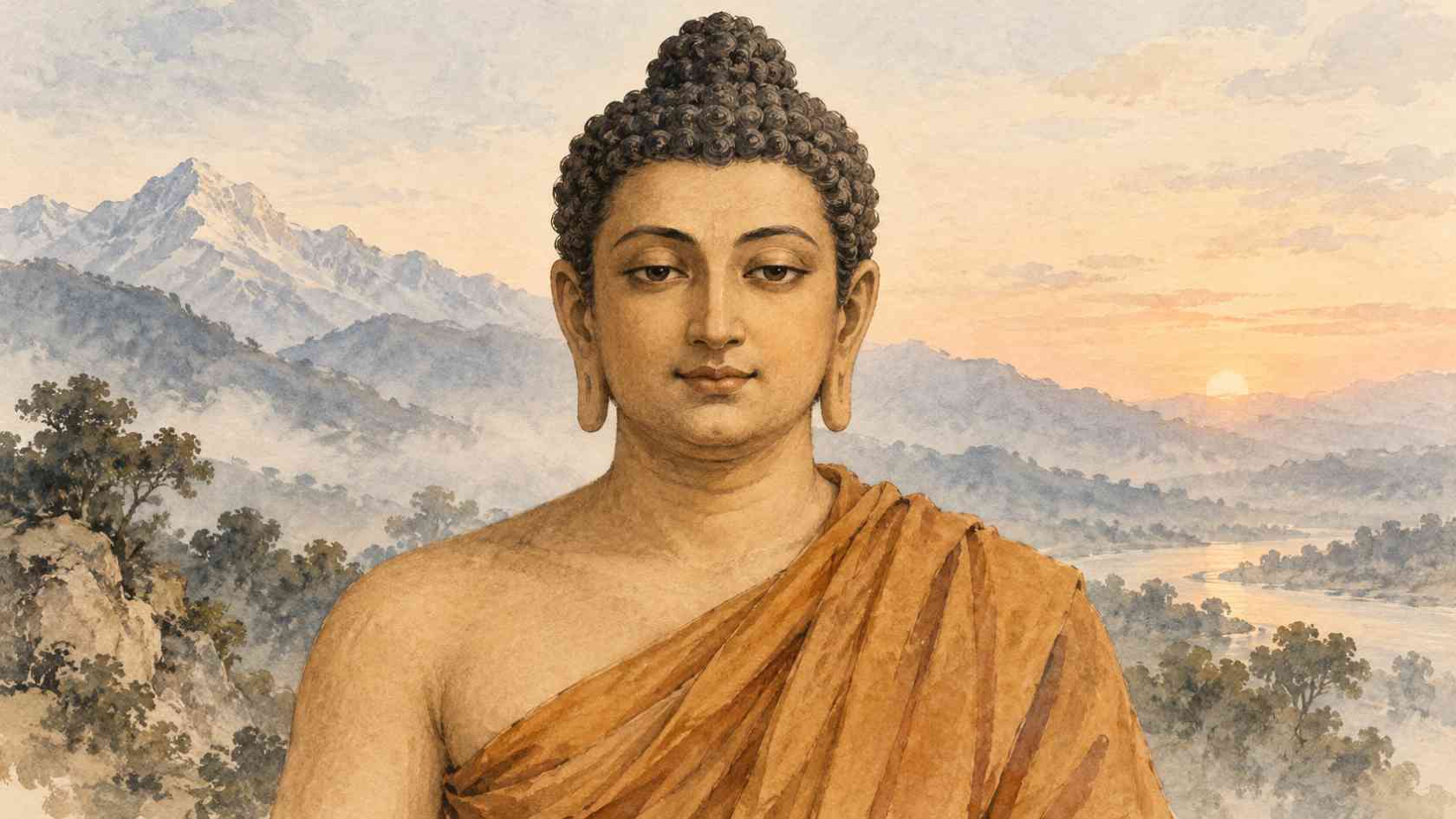
Upon seeing the morning star, Buddha Shākyamuni awakened and said, “I awakened together with the great Earth and all sentient beings.”
A Zen version of the life of Buddha Shākyamuni
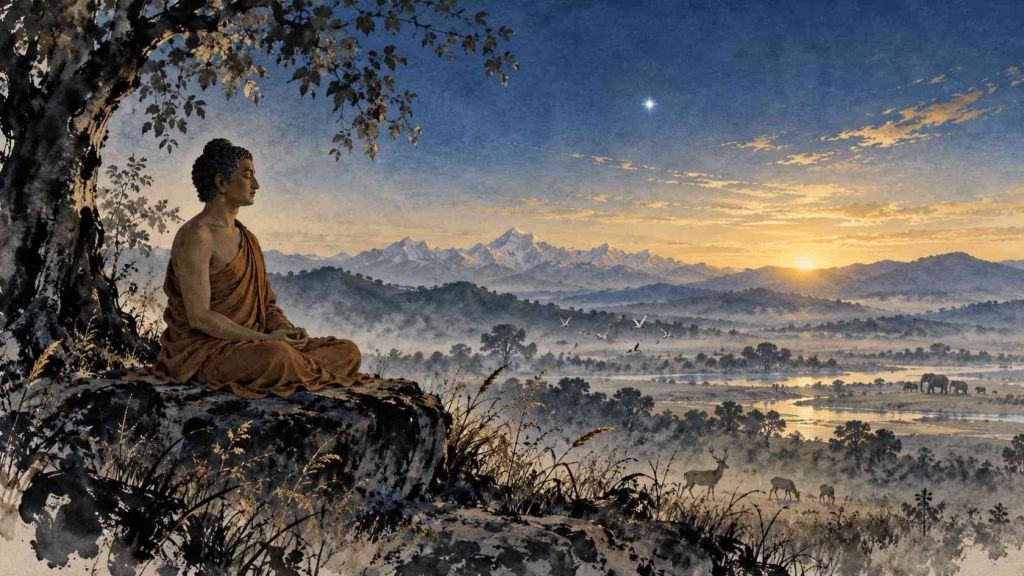
Buddha Shākyamuni belonged to the Sakya clan, at the foot of the Himalayas. At the age of nineteen, he escaped by leaping over the palace wall in the middle of the night and fled to the deep mountains. He shaved his head and spent six years practising the most severe asceticism. Then he spent a further six years seated on the diamond seat (zazen). His stillness in zazen was so absolute that grasses grew between his legs, spiders spun webs between his eyebrows, and magpies nested on his head.
He awakened suddenly while contemplating the morning star
At the age of thirty, on the eighth day of the twelfth lunar month, Buddha Shākyamuni was contemplating the morning star when he suddenly awakened and said, “I awakened together with the great Earth and all sentient beings.” This was his first lion’s roar.
Buddha Shākyamuni never put down his kesa and bowl
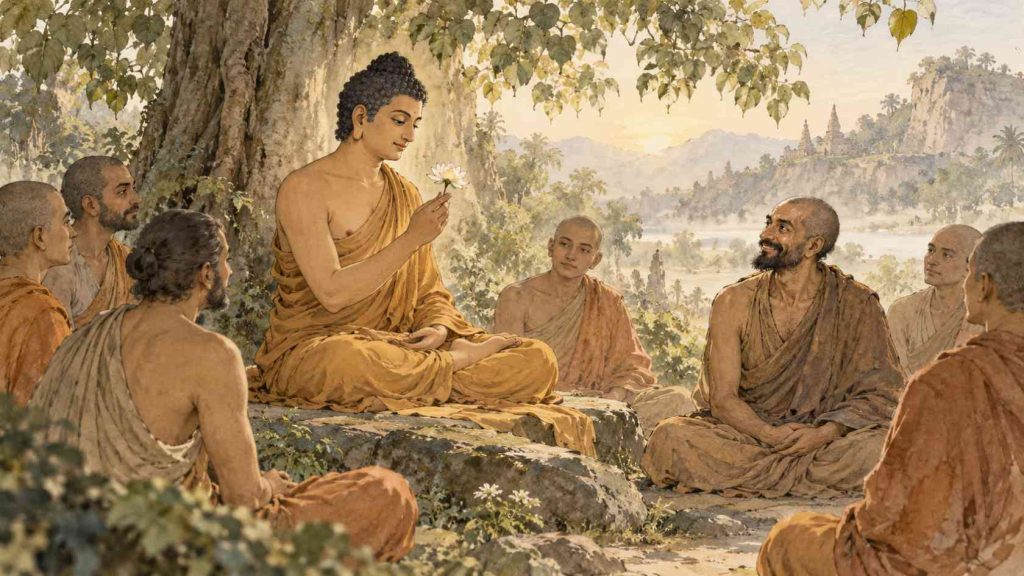
From then on, for the next forty-nine years, Buddha Shākyamuni did not spend a single day alone, and there was never a moment, however brief, when he did not teach the Dharma to the community. He never put down his kesa and bowl. Buddha Shākyamuni taught the Dharma at more than three hundred and sixty assemblies.
He entrusted the Treasury of the True Dharma Eye to Mahākāśyapa
Finally, he entrusted the Treasury of the True Dharma Eye to Mahākāśyapa, and it has been transmitted to this day. It was transmitted through the three lands of India, China and Japan, where it laid the foundations for cultivating the True Dharma.
Buddha Shākyamuni always looked like an old monk
Buddha Shākyamuni’s practice became a model to follow. Although fully awakened, he always looked like an old monk, no different from other people. Thus, from the time he lived in the world and throughout the ages, those who admire his upright practice have adopted Buddha Shākyamuni’s teaching and practice, and have received and used the skillful means he employed. Whether walking, standing, sitting or lying down, they never cease to act as the Buddha did, not even for an instant.
Direct transmission, from buddha to buddha
This story clearly shows that the True Dharma reaches us through direct transmission, from buddha to buddha and from ancestor to ancestor, and that it has never been interrupted. Although the words he taught varied over the course of forty-nine years and across more than three hundred and sixty assemblies, the many discourses and parables he shared never departed from the same principle.
This is a free adaptation inspired by The Denkoroku by Master Keizan.
Masters of the lineage
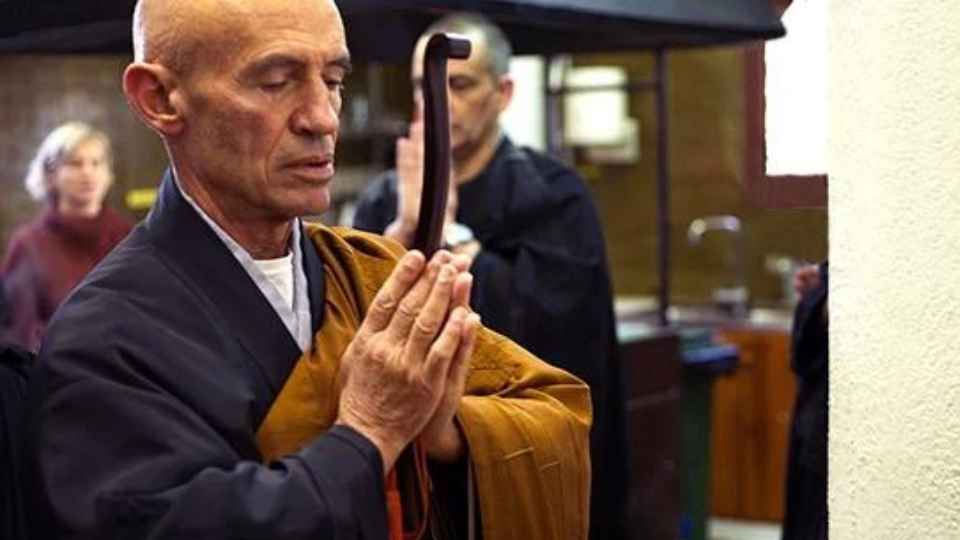
Roland Yuno Rech, Zen Master
Roland Yuno Rech, born in 1944, graduated from the Paris Institute of Political Studies and…
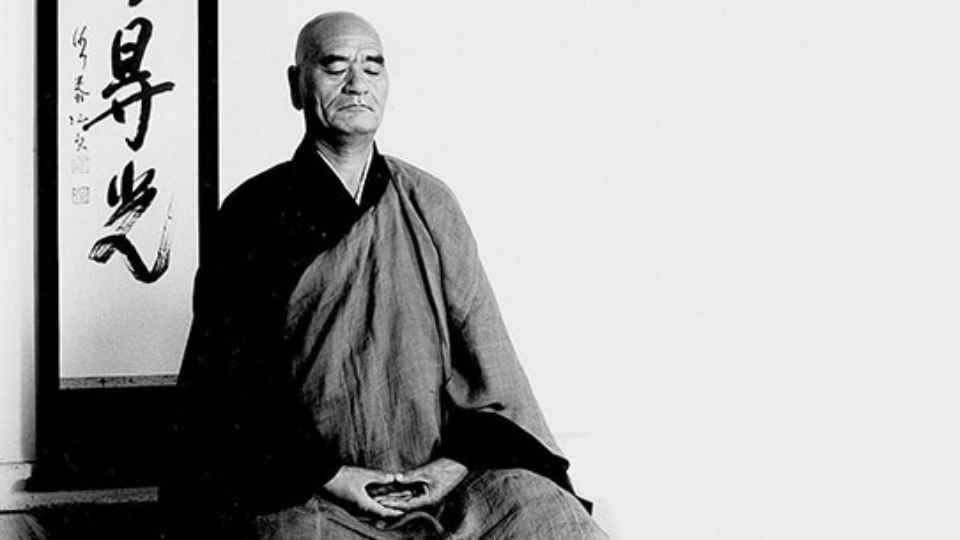
Taisen Deshimaru. The Bodhidharma of modern times
Born in Saga in 1914, Taisen Deshimaru was a disciple of Master Kodo Sawaki, one…
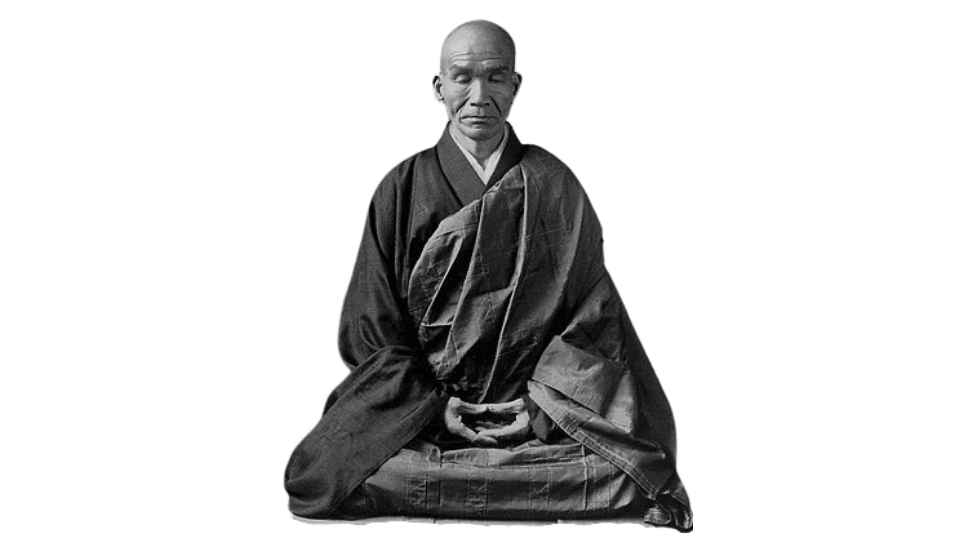
Kodo Sawaki. Homeless Kodo
Kodo Sawaki (1880-1965) was an influential Japanese Zen master, known for revitalizing the practice of…
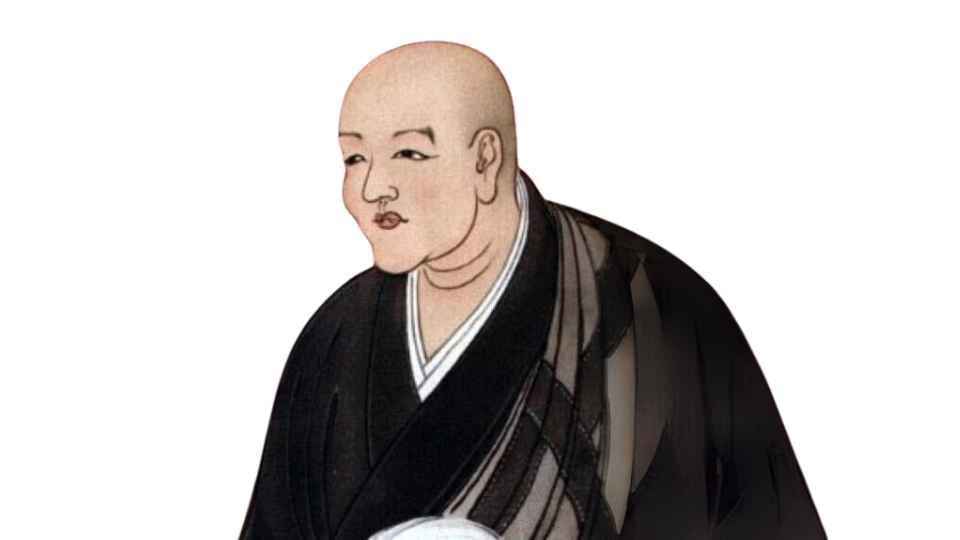
Eihei Dogen. Author of Shobogenzo
Zen Master Dogen (1200-1253) is one of the most influential figures in Japanese Buddhism, particularly…
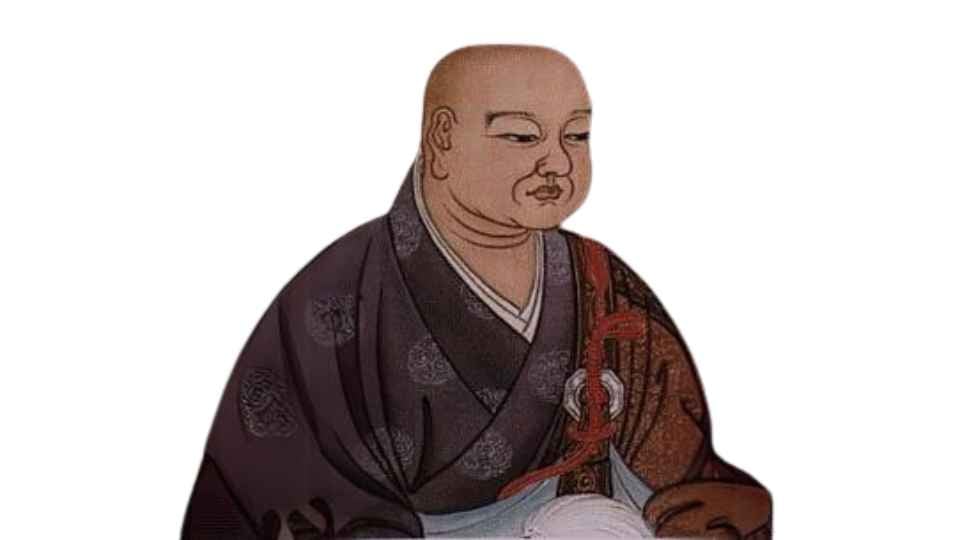
Keizan Jokin. 700th anniversary homage
In the history of Zen, there have been especially brilliant masters. One of them is…
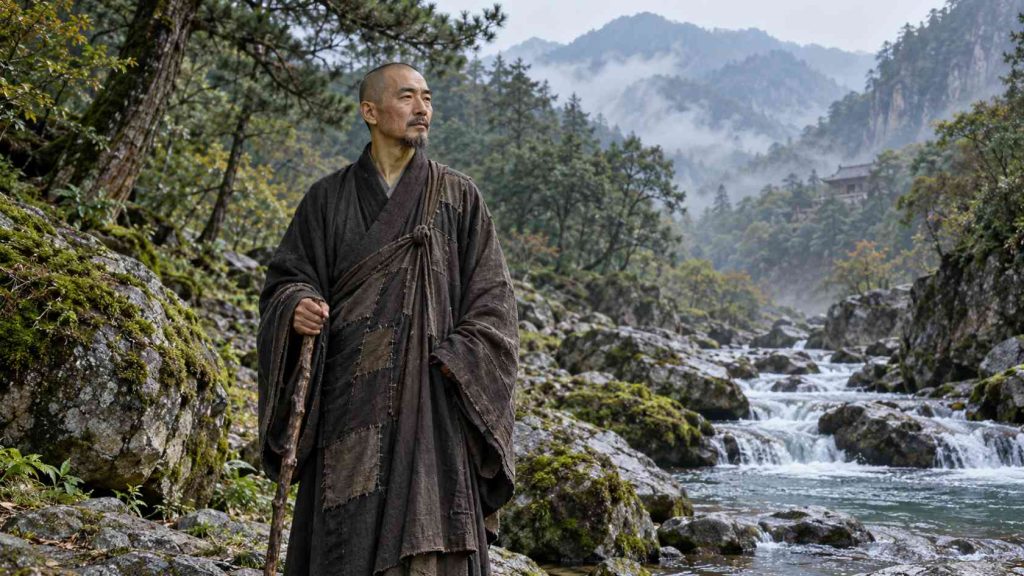
Dongshan Liangjie, suchness master
Dongshan Liangjie, known in Japanese as Tōzan Ryōkai, is one of the great figures of…
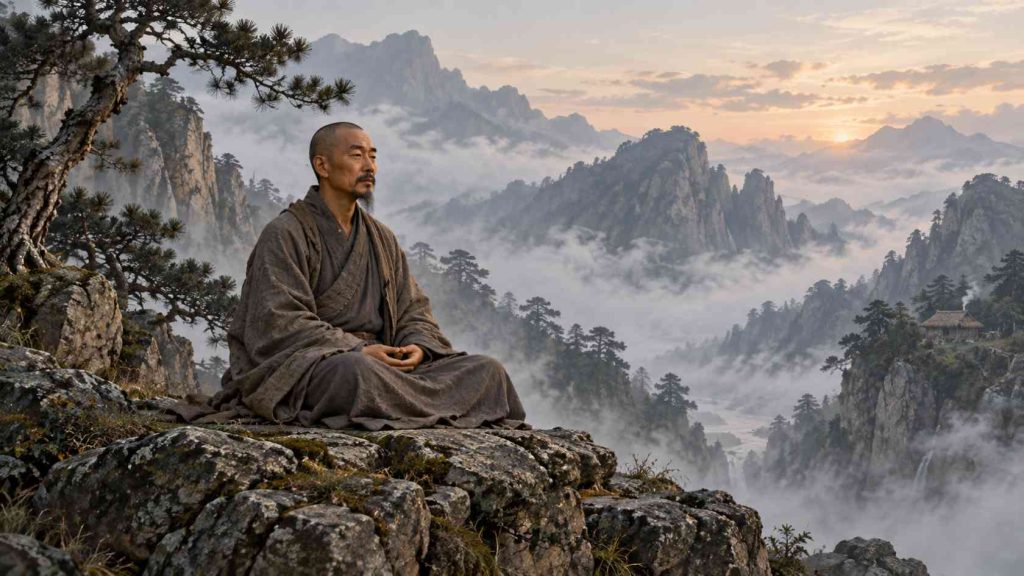
Master Sengcan, The non duality principle
Master Sōsan (jp.), Sengcan(ch.), Huike’s successor and Daoxin’s Master, occupies an essential place in the…
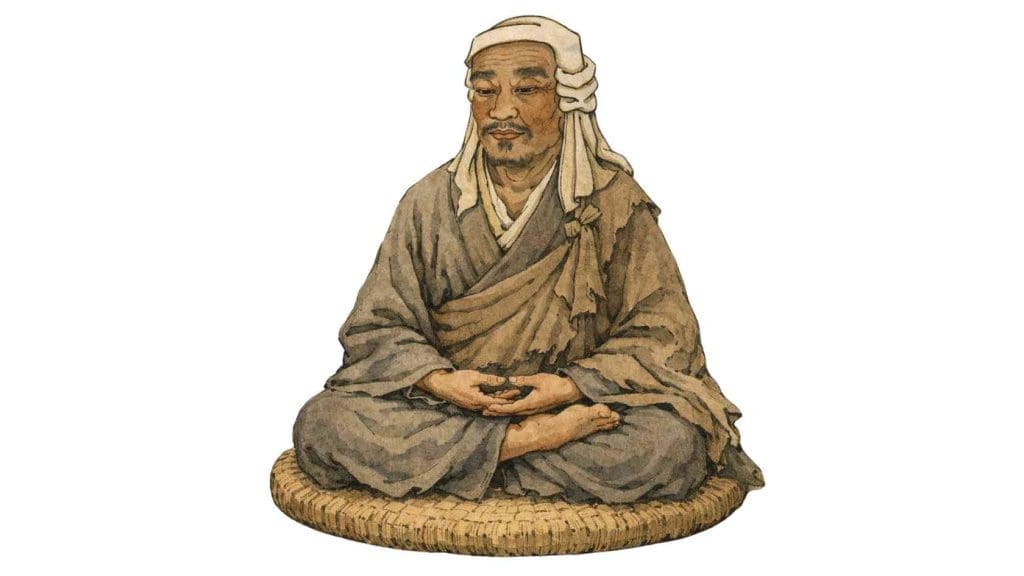
Hui-Neng – Look directly at your mind
Hui-Neng is one of the most important masters in the history of Zen. He lived…
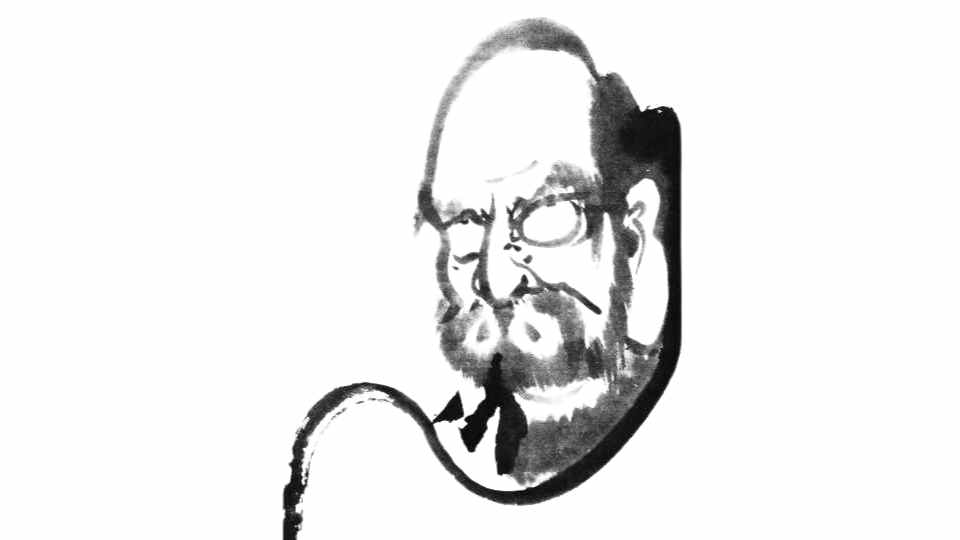
Bodhidharma. Founder of the Zen school
Bodhidharma, often considered the 28th Indian master of Zen and the 1st Chinese master, is…