


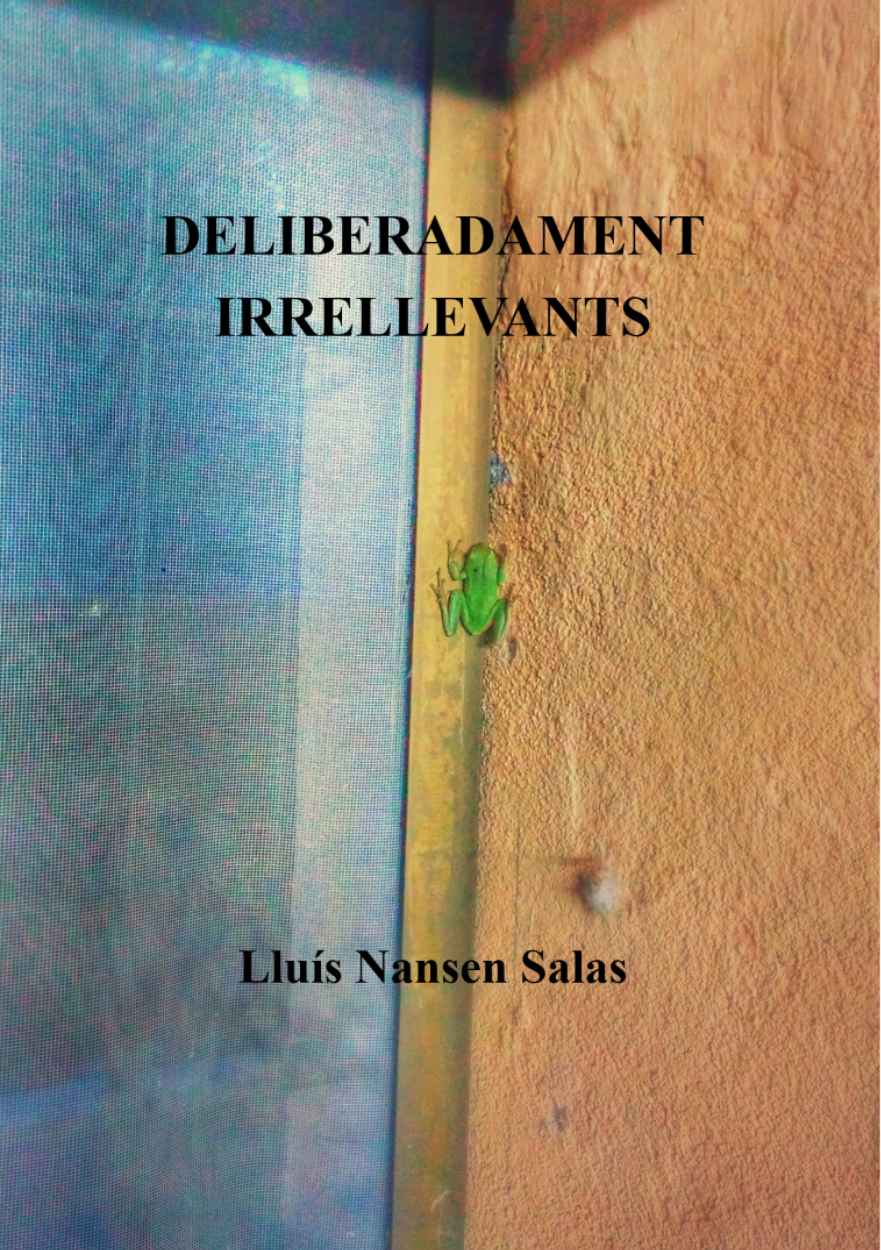
Deliberately irrelevant: Lluís Nansen Salas, Deliberadament irrellevants, Ensenyances zen a Lluçà 7, 2026, Barcelona, Edicions Zen Kannon.
What does it mean to be deliberately irrelevant? The title of this book invites us to question the need to stand out, to be right or to be recognised. In Zen practice, letting go of the self as the centre opens up another way of being in the world: with less attachment to our self-image and a greater willingness to listen and act.
This volume is part of the Zen Teachings at Lluçà collection, which brings together teachings by Zen master Lluís Nansen Salas given during the Easter, summer and December retreats in 2021. An invitation to explore, through zazen and everyday life, what happens when we stop giving importance to personal concerns.
Deliberately Irrelevant
A collection of teachings given at the Zen retreats in Lluçà, in which Nansen discusses Sosan’s Shinjinmei —the Mind of Non-Duality—, the Six Paramitas —or Six Perfections— and the Way of the Zen monk.
When asked whether Zen monks are relevant in today’s world, Nansen replies:
“Zen monks are deliberately irrelevant. We live with the irrelevance inherent in every human being.
“The Zen monk accepts the fundamental irrelevance of the human condition, which manifests itself above all through death. The Zen monk is just as irrelevant as the migrant, the undocumented person, the prisoner or the social outcast.
“The Zen monk lives with the presence of death and reflects on the meaning of life. He faces the reality of death, seeking a reality deeper than death. The vocation of the Zen monk is to go beyond death, beyond life, beyond life and death, and thus become a true witness to life.”
Excerpt from the book Deliberately Irrelevant.
One of the ways zazen influences everyday life is by developing the ability to find a stable mind quickly. In concentration, we clearly perceive what is happening —sensations, perceptions, emotions— but we do not allow ourselves to be held captive by these emotions. And then the mind becomes vast and limitless.
The difference between the ordinary mind and samadhi is like the difference between a pond and an ocean. When we throw a stone into a small pond, the ripples disturb all the water, and it quickly becomes cloudy. The mind of samadhi is like the ocean. If we throw a stone into it, the ocean remains undisturbed.
The Mind That Is Like the Sea
Dogen says that samadhi is the seal of the Buddha mind; it is the state of mind that is like the sea. Behind us, 10,000 waves; before us, 10,000 waves. If we want to cultivate this samadhi, all we need to do is bring our attention to the posture of the body and to the breath.
We set aside all other worries and mental preoccupations. We focus solely on the breath and the balance of our posture. We breathe in. We breathe out. When we surrender to the breath, we realise that, in this moment, nothing is missing and nothing is in excess. This is all we need in order to exist.
Deliberately Irrelevant, 2026, Edicions Zen Kannon. Available from Zen Kannon for €10.
Other books by Nansen
The Difference is the Essence. Zen Teachings in Lluçà 6
Lluís Nansen Salas, 2025, La diferència és l’essència, Ensenyances zen a Lluçà 6, Barcelona, Edicions…

Indra and the fox. Ensenyances zen a Lluçà 5
Lluís Nansen Salas, 2024, Indra i la Guineu, Ensenyances zen a Lluçà 5, Barcelona, Edicions…

Zen Mediterrani. Universal awakening
Nansen, Zen mediterrani. El despertar universal Lluís Nansen Salas: Zen mediterrani. El despertar universal, Viena…
Dharma Zen. The Eye of the Joyful Revelation
Lluís Nansen Salas: Dharma Zen.El ojo de la maravillosa revelación, Ediciones Invisibles, Barcelona, 2019. A…
Mindfulness Zen. The Awareness of Now.
Lluís Nansen Salas: Mindfulness Zen. La consciència de l’ara, edicions Viena, Barcelona, 2018. The origin…
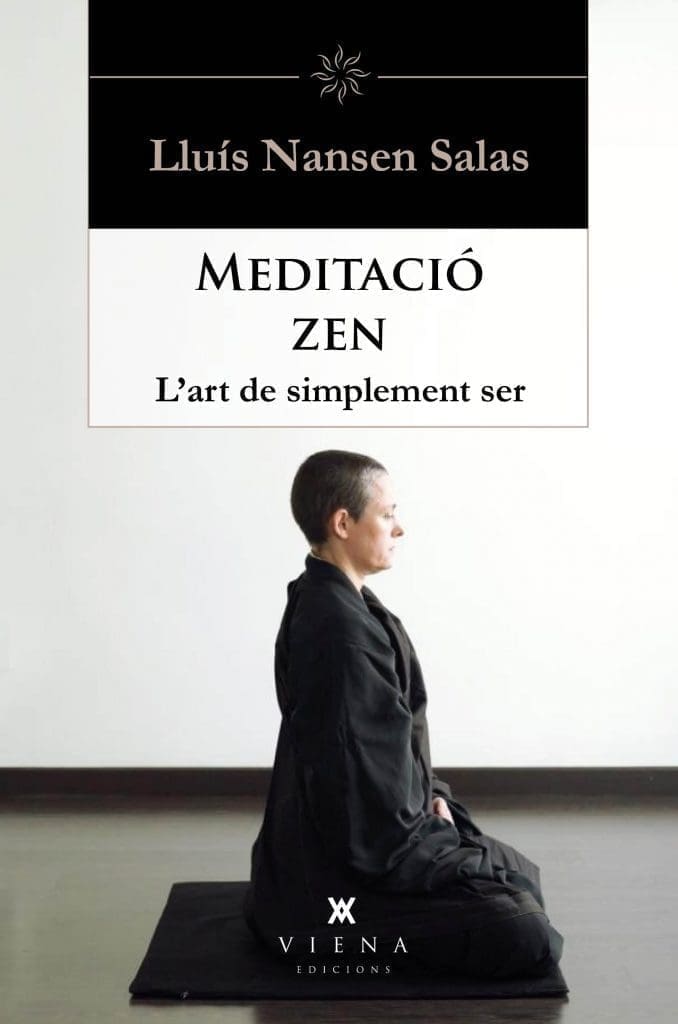
Zen Meditation. The Art of Simply Being
The book Zen Meditation: The Art of Simply Being was born out of the need…