


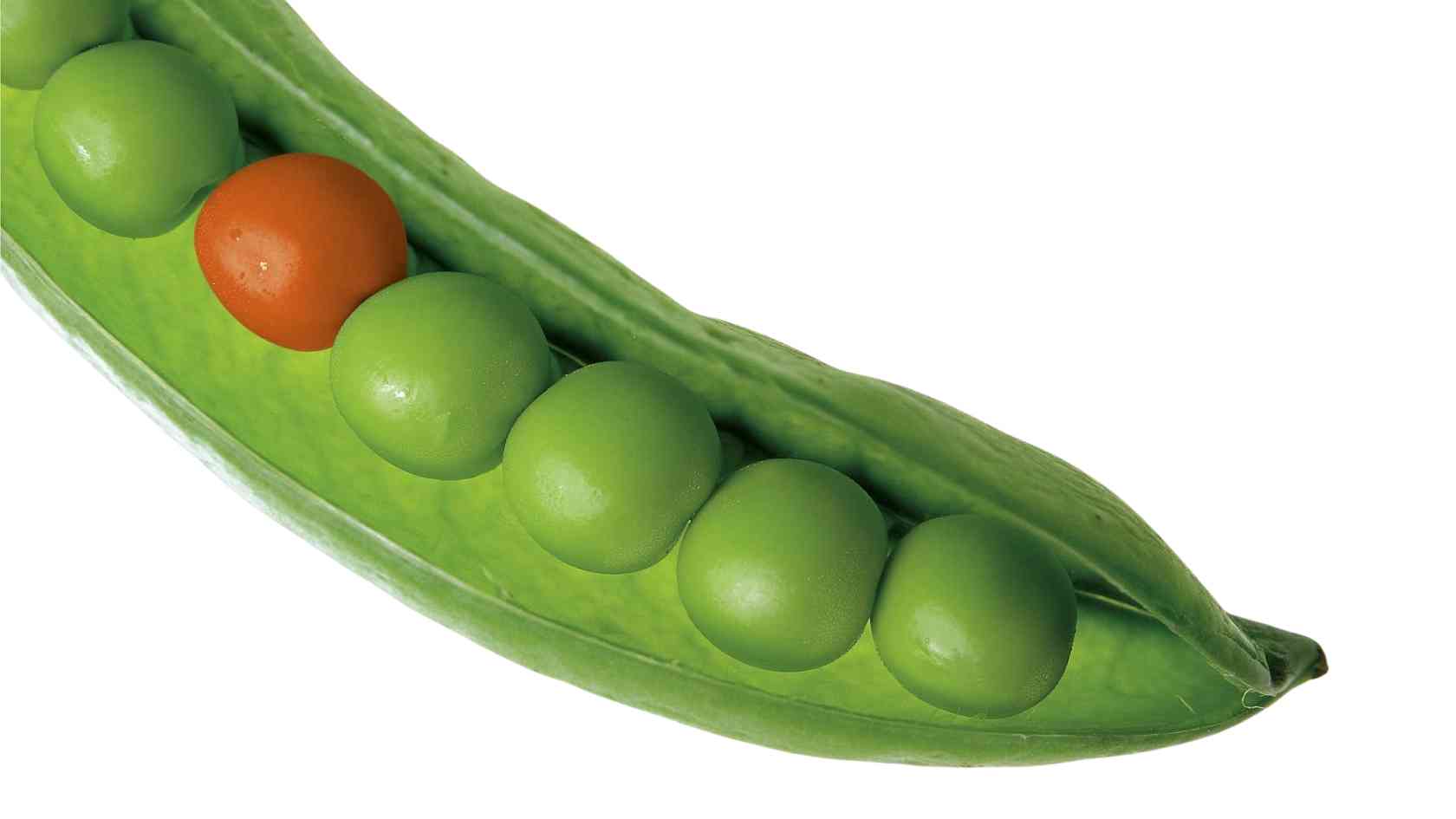
What does it mean to say that difference is essence? One day, Sekito read the phrase: “The true sage is one who becomes all the existences of the Universe.” Sekito wondered: how can one existence become all the existences of the Universe? From that day on, this question illuminated his path.
The practice of zazen is precisely this: becoming one with the whole Universe, forgetting oneself, abandoning the ego, and becoming one with all existences. Yet even though we can all experience this non-dual reality, difference does not cease to exist; our existence does not cease to be different. All beings share the same nature, and at the same time we are all different. How can we understand this?
By difference we mean any of our many particular aspects: different abilities, different bodies, different genders, different perceptions, different emotions, different ideas, different virtues, different weaknesses, different addictions, different behaviours. And although all of this certainly forms part of the self, when we say that in zazen we abandon the self, it does not mean that we eliminate our differences, but rather that we accept them and simply return to conscious presence.
Difference and essence interpenetrate
To say that difference and essence interpenetrate means that difference cannot exist without essence, and essence cannot exist without difference. They are inseparable.
Accepting our difference does not mean identifying with it. Identification means, for example, that if we talk a lot, we consider talking a lot to be normal and talking little to be strange. And the same could be said the other way around. Our egocentric point of view leads us to regard our own difference as normal and the difference of others as something strange. We speak of what is and is not normal, and we try to impose our own differences on others. But what if being different were what is normal? What if what were truly normal and common were that we are all different? Understanding our own difference does not mean identifying with it; it means seeing our difference through the eyes of others.
I am speaking about understanding our own difference, that difference which, in each of us, shapes our lives: the difference that causes us suffering, that makes us feel less capable, that makes it difficult for us to fit into a group or relate to a particular person, that prevents us from loving or from feeling loved; the difference within us that frightens us, that we reject, or that we try in vain to ignore. When we are able to understand our difference and become intimate with it, then we can say that we are one with our difference without identifying with it. We are one with our difference because we accept it just as it is, and we forgive ourselves, and we forgive those who have been unable to see and understand this difference in us.
Accepting difference
To accept and forgive sincerely means accepting and loving ourselves, and loving others, those who are so different from us. By understanding our own difference, we can understand the differences of others and enjoy the wonderful diversity of all beings. Through our difference, we penetrate the essence of the Universe. This is what it means to say that difference and essence interpenetrate. This is what we experience sitting in zazen.
Nansen
Author of the book La diferència és l’essència. Ensenyances zen a Lluçà 6